



The Retail Lighting Playbook: A Complete Guide from Customer Attraction to the Point of Sale

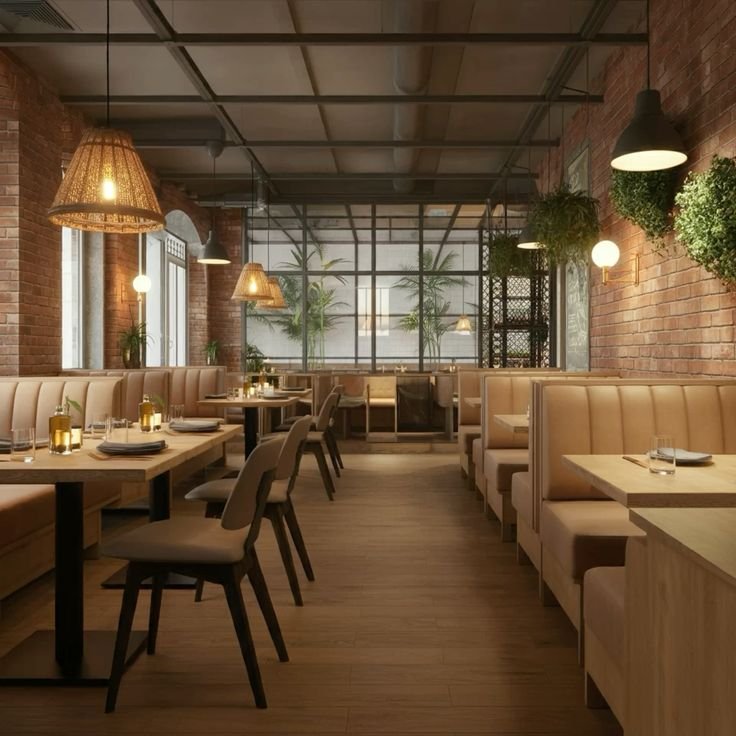
Discover the art of retail lighting and how light can be your most powerful tool to increase sales. Learn the secrets of commercial lighting to attract customers, highlight products, and enhance the shopping experience.
The Art of Retail and Commercial Store Lighting: How to Use Light to Increase Sales
In today’s highly competitive commercial landscape, especially in the bustling malls of Cairo and Giza, what drives a customer to walk into your store and ignore the adjacent ones? What turns a casual browser into an actual buyer? The answer may lie in a powerful and often overlooked hidden factor: light. The art of retail and commercial store lighting is not just about providing visibility; it is a science of psychology and behavior, and a strategic marketing tool capable of guiding purchasing decisions, enhancing your brand’s value, and ultimately, directly increasing your profits.
Many store owners invest heavily in interior design, product quality, and staff training, but they make the mistake of using generic, flat, and uninspired lighting. This lighting makes products look dull, colors appear untrue, and creates a boring shopping experience that lacks excitement. The truth is, thoughtful lighting is the silent salesperson working around the clock, welcoming customers, guiding them, and convincing them of the quality and uniqueness of what you offer.
This comprehensive and detailed guide, spanning over 3500 words, is a business plan for any store owner or commercial designer aspiring to stand out in 2025. We will delve into the psychology of commercial lighting, learn the layered strategy applied in the world’s most famous stores, and uncover the technical secrets like the Color Rendering Index (CRI) that can make the difference between a product being ignored and one being purchased. We will explore how partnering with experts and specialized suppliers in commercial lighting, such as the leading company in the Egyptian market, Taglighting-eg, is a strategic investment that ensures the transformation of your commercial space from just a place to display goods into an unforgettable shopping destination.

Part One: The Psychology of Commercial Lighting – The Tireless Silent Salesperson
Before talking about types of lamps, we must understand how a customer “thinks” under the influence of light.
1. Grabbin Attention from Outside the Store
The window display is your 24/7 advertisement. Lighting is what makes this ad effective.
- Contrast is King: The human eye is involuntarily drawn to the contrast between light and shadow. Instead of flooding the display with even light, use focused accent spotlights to intensely illuminate key products or mannequins, leaving some surrounding areas in a soft shadow. This creates drama and depth that forces passersby to stop and look.
- Dynamic Lighting: Using smart lighting systems that can slowly change the intensity or color of the light can create visual movement that attracts attention.
2. Guiding the Customer Journey Inside the Store
Once the customer enters, the lighting begins to guide them.
- The Decompression Zone: The first area at the entrance should be brightly and welcomingly lit, giving the customer a moment to adjust to the new environment and encouraging them to venture further inside.
- Creating Luminous Paths: Lighting can be used to define a clear path for the customer within the store. For example, main aisles can be generally lit, while more focused lighting is used to draw the customer towards back sections or special offers.
3. Shaping Brand Identity and Mood
The color of the light defines your store’s personality.
- Warm Lighting (2700K-3000K): Creates a feeling of comfort, luxury, and intimacy. It is the ideal choice for high-end boutiques, jewelry stores, bakeries (as it makes baked goods look golden and fresh), and brands that sell products requiring an emotional purchasing decision.
- Neutral Lighting (3500K-4000K): Provides a sense of vibrancy, cleanliness, and clarity. It is the most common in fashion stores, department stores, and car showrooms.
- Cool Lighting (4500K+): Is associated with technology, modernity, and absolute cleanliness. It’s used in electronics stores, pharmacies, and stores selling white goods.
4. Making Products Irresistible
High-quality light makes a product look better. Lighting with a high Color Rendering Index (CRI) shows colors in their true, vibrant form, making clothes look more attractive, fruits and vegetables fresher, and jewelry more brilliant.
Part Two: The Four-Layer Strategy for Retail Lighting
Just like resiential design, professional retail lighting relies on building layers of light.
- Layer One: Ambient Lighting: This is the general lighting that fills the store and sets the basic level of brightness. Its purpose is to ensure visibility and safety.
- Layer Two: Accent Lighting: This is the most important and sales-driving layer in retail. Its purpose is to highlight the products and make them the “heroes” of the scene. The primary tool for this layer is track lighting systems. A flexible track lighting system from Taglighting-eg allows a store to aim high-quality, focused spotlights at any product or display you wish to feature, with the ability to easily change this distribution as merchandise displays change.
- Layer Three: Task Lighting: This is functional lighting for specific areas like the cash wrap counter (to ensure clear transactions) and inside fitting rooms.
- Layer Four: Decorative Lighting: These are lighting fixtures that express the brand’s identity, such as a statement chandelier at the entrance or elegant pendants over a special display area.
Part Three: The Technical Secrets That Translate into Profits
This is the aspect that distinguishes professionals. Understanding these numbers is key to increasing sales.
Color RenderingIndex (CRI): The Real Money-Maker
CRI is a scale fom 0 to 100 of how accurately a light source reveals true colors.
- Why is it crucial? Imagine a customer choosing a dress of a specific color under lighting with a low CRI (70-80). The color looks dull. She might hesitate to buy it, or she might buy it and discover its different, true color under sunlight and then return it.
- The Golden Rule: In retail, especially for fashion, cosmetics, furniture, and food, the CRI should not be less than 90 (CRI 90+). A CRI of 95+ is preferred for luxury products. Investing in high-CRI fixtures is a direct investment in customer satisfaction and reducing returns. This is why specialized commercial lighting companies like Taglighting-eg focus on providing high-CRI (90 and above) LED solutions specifically designed to meet the strict requirements of the retail environment.
Color Temperature (Kelvin): Crafting Your Brand’s Vibe
As mentioned, you must choose the color temperature that matches your brand identity and the products you sell. It’s important to unify the color temperature throughout the store to create a harmonious experience.
Beam Angles: The Precise Sculpting Tool
- Narrow Beam (10-24 degrees): Ideal for creating dramatic, focused spots of light on small, precious products like jewelry, watches, or handbags on a display stand.
- Medium Beam (25-40 degrees): The most commonly used for highlighting mannequins, display shelves, or a group of products.
- Wide Beam (60 degrees or more): Used for wall washing or for general ambient lighting.
Part Four: A Lighting Blueprint for Key Zones in Your Store
1. The Window Display: Your Premier Stage
- Goal: To stop passersby and entice them to enter.
- Technique: Use high contrast. Strong accent lighting (3 to 5 times the brightness of the store’s interior lighting) on key products using adjustable track lights.
2. The Entrance and Decompression Zone:
- Goal: To welcome the customer and encourage exploration.
- Technique: Bright and comfortable ambient lighting. Wide-beam spotlights or even a distinctive decorative lighting piece that carries the brand’s identity can be used.

3. The Sales Floor and Aisles:
- Goal: To provide general visibility while directing attention to products.
- Technique: A comfortable ambient lighting base, with a strong layer of accent lighting (primarily using track lights) aimed at shelves, hangers, and display platforms.
4. The Fitting Rooms: The Moment of Truth
This is the most sensitive area, where 70% of purchasing decisions are made.
- The Disastrous Mistake: A single spotlight in the ceiling that creates horrific shadows on the customer’s body and facial features, making them feel bad about their appearance and reject the purchase.
- The Professional Solution: Frontal vertical lighting. Linear LED units are installed on both sides of the mirror. This provides soft, even light that eliminates shadows and shows the customer and the clothes in the best possible light. The lighting must have a CRI of 90+ and a neutral color temperature (3500K). Designing a perfect fitting room is an investment with a guaranteed return, and it can be easily achieved using dedicated LED profiles from suppliers like Taglighting-eg.
5. The Checkout Counter: The Final Impression
- Goal: To complete the transaction efficiently and leave a good final impression.
- Technique: Bright, direct task lighting over the counter. Decorative pendants can also be used behind the counter to highlight the brand’s logo.
Part Five: A Specialized Guide to Lighting Different Product Types
- Fashion and Apparel: CRI 90+ is mandatory. A mix of ambient and accent lighting. Vertically lit fitting rooms.
- Jewelry and Watches: Requires very specialized lighting. Focused, high-intensity spotlights (Narrow Beam) are used to bring out the “sparkle.” A mix of color temperatures is often used (cool for diamonds and silver, warm for gold and colored stones).
- Cosmetics: A CRI of 95+ is best. Bright, neutral lighting (4000K) around mirrors to ensure accurate color matching on the customer’s skin.
- Furniture and Home Goods: Creating “vignettes” or mini-room settings within the showroom, each with its own lighting system that mimics home lighting (a mix of ambient, task, and accent).
- Fresh Food: CRI 90+ is essential to show the freshness of products. Specific color tones are used to enhance the appearance of each section (a rosy light for meat, warm for bakeries, cool for fish).
Understanding these specialized requirements is what distinguishes a professional supplier. Taglighting-eg, with its experience in the Egyptian market, is capable of providing consultations and tailored solutions for various retail sectors, from fashion boutiques to furniture showrooms.
Part Six: The Future of Retail – Smart and Sustainable Lighting
- Adaptive Lighting: Using smart control systems to automatically change the store’s ambiance from day to night, or during sales and promotions. Dynamic window displays.
- Interactive Customer Experience: Lighting can interact with the customer. For example, when a specific product is picked up from a shelf, a directed spotlight can brighten to highlight it further.
- Energy Efficiency and ROI: The shift to smart LED systems is not just to improve sales; it is an investment that significantly reduces electricity bills, meaning it pays for itself over time. Building a future-ready store means using a flexible infrastructure. Installing track lighting systems and high-quality fixtures from Taglighting-eg today allows for the easy integration of smart control systems in the future.
Conclusion: Better Light Means Better Business
Ultimately, the lighting in your store is no longer just an item on the expense list; it is a strategic asset and a primary driver of sales. It is the first thing a customer sees, the last thing they remember, and what shapes their entire experience in between. By adopting a layered strategy, prioritizing light quality (CRI), choosing the right ambiance for your brand, and carefully designing each zone of your store, you transform your space from a passive place for displaying products to an active environment that sells them.
Investing in expert consultation, design, and implementation of a professional lighting system is one of the smartest decisions any store owner can make. Partnering with a specialized and trusted commercial lighting supplier like Taglighting-eg ensures you not only get the right products but also the knowledge and experience needed to turn light into real profits.
Keyword List:
#RetailLighting #ShopLighting #IncreaseSalesWithLighting #Taglighting-eg #CommercialLightingDesign #WindowDisplayLighting #TrackLighting #ProductDisplayLighting #CRI #FittingRoomLighting #PsychologyOfLighting #CustomerExperience #LEDShopLights #CommercialIllumination #StoreDesign #AttractCustomers