



The Invisible Manager: How Lighting Secretly Dictates Your Focus, Mood, and Productivity

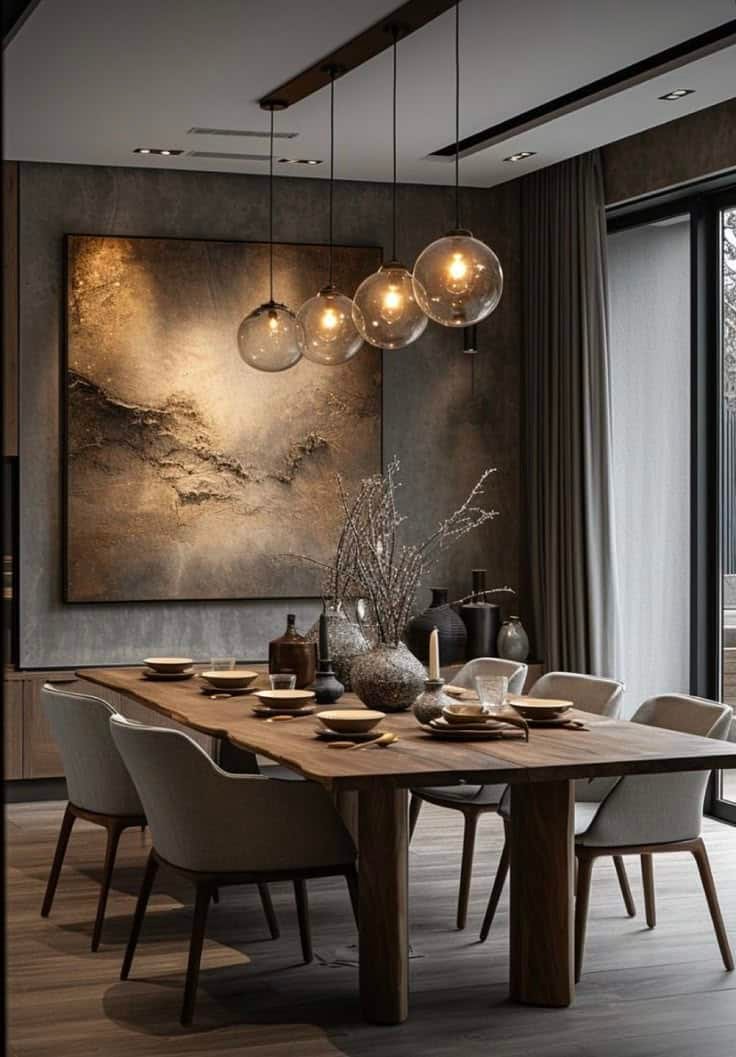
Discover how lighting directly affects our concentration and productivity at work or study. Learn the secrets of choosing the right lighting to boost performance, reduce eye strain, and create a stimulating environment.
How Lighting Affects Our Concentration and Productivity: The Scientific and Practical Guide to Creating the Perfect Work Environment
In our relentless pursuit of increased productivity and improved focus, we often concentrate on tangible tools: faster computers, ergonomic chairs, time management software, and an endless cup of coffee. But we ignore a powerful, invisible factor that constantly surrounds us and governs the rhythm of our brains and bodies more than we can imagine: lighting. The question is not just “Can I see clearly?” but “How does this light make me feel, think, and work?”.
Understanding how lighting affects our concentration and productivity is one of the most neglected secrets in the modern world of business and education. Lighting is not merely a decorative element or a functional necessity; it is a potent biological signal that communicates directly with our brains, telling us when to be alert and when to relax. Poor lighting is a silent thief that steals our focus, causes headaches and eye strain, and diminishes our ability to achieve without us even realizing it’s the culprit.
In this comprehensive guide, we will delve into the science behind the effect of light, explore key concepts like color temperature and brightness intensity, and provide practical, applicable strategies to create a work or study environment that not only helps you see but empowers you to excel and innovate. As of 2025, paying attention to lighting is no longer a luxury; it is a fundamental competitive necessity.

1. The Invisible Science: How Light Speaks to Your Brain
To understand the profound impact of lighting, we must start from within, from our complex biological clock.
The Circadian Rhythm: Your Natural Pace-Setter
Inside each of us is an internal 24-hour clock known as the circadian rhythm. This clock regulates a wide range of our vital functions, including sleep-wake cycles, hormone secretion, body temperature, and mental alertness. The primary external stimulus that resets this clock daily is light.
When our eyes are exposed to light, especially light in the blue spectrum (abundant in natural daylight and cool-white lighting), signals are sent directly to a region in the brain called the suprachiasmatic nucleus (SCN). These signals tell the brain: “It’s daytime, time to wake up and focus!”.
The Hormone Game: Melatonin vs. Cortisol
These light signals trigger crucial hormonal changes:
- Melatonin Suppression: Melatonin is the sleep hormone. Exposure to bright light inhibits its production, making us feel awake and active. This is why using your phone in bed at night can disrupt your sleep.
- Cortisol Stimulation: Cortisol, often known as the stress hormone, also plays a key role in promoting alertness and energy when secreted at healthy levels during the day. Bright morning light helps stimulate this secretion.
In short, bright, cool lighting tells your brain to “work,” while dim, warm lighting tells it to “relax.” Harnessing this principle is the key to controlling your productivity.

2. Decoding the Light: The Terms Every Professional Should Master
To turn science into practical application, you need to understand the language of light. There are three key metrics that define the quality and impact of any light source.
a. Light Intensity (Brightness) – Measured in Lumens
The lumen is the true measure of the amount of light emitted by a lamp. The higher the lumen count, the brighter the light. Different tasks require different brightness levels.
- For general office work and reading: You need about 500-750 lumens on your desk surface.
- For tasks requiring precision and detail (like graphic design or craftwork): You may need 1000-1500 lumens or more.
- For ambient office lighting: Around 300 lumens per square meter is recommended.
b. Color Temperature – Measured in Kelvin (K)
This is the most critical metric for influencing mood and productivity. Kelvin describes the color appearance of the light, from warm to cool.
- Warm White (2700K – 3000K): Resembles the light of a traditional incandescent bulb. It creates a comfortable, cozy atmosphere. Ideal for break areas, waiting rooms, or creative brainstorming sessions, but it can cause drowsiness if used in main workspaces.
- Neutral/Cool White (4000K – 5000K): This is the “Productivity Zone.” This light mimics bright daylight and is perfect for enhancing focus, alertness, and reducing errors in analytical tasks. It is the optimal choice for offices, classrooms, and home study areas.
- Daylight (5000K+): A very bluish-white light. It can be useful for short bursts of high-focus work or in environments needing high color accuracy (like hospitals or art studios), but it can be harsh and straining on the eyes over a full workday.
Understanding these numbers is the first step. The second is finding reliable products that deliver these specifications accurately. This is where the importance of specialized suppliers like TagLighting-eg comes in, as they provide lighting solutions with clear and guaranteed technical standards to meet the needs of modern work environments.

c. Color Rendering Index (CRI)
This index (from 0 to 100) measures how accurately a light source displays true colors. For most office tasks, a CRI of 80+ is sufficient. However, in creative fields like design, architecture, or art, a CRI of 90+ is essential to ensure the colors you see on screen or paper are the real colors.
3. Natural Light: The Gold Standard for Productivity
Before delving into artificial lighting, we must acknowledge that natural daylight is the unmatched standard. It is full-spectrum, dynamic, and free.
- Proven Benefits: Studies have shown that employees who work near windows enjoy better sleep, higher levels of physical activity, and a better overall quality of life. It also reduces symptoms of eye strain and headaches.
- Practical Tips to Maximize It:
- Desk Layout: Position desks as close to windows as possible.
- Walls and Furniture: Use light colors for walls and surfaces to reflect natural light deeper into the space.
- Blinds: Use sheer or slatted blinds that allow for light control without completely blocking it.
4. Designing for Focus: The Layered Strategy for Optimal Work & Study Lighting
Placing one powerful lamp in the ceiling is not enough. The ideal lighting environment, just like the ideal work environment, consists of layers.
Layer One: Ambient Lighting
This is the general illumination that fills the space and prevents high contrast between your bright screen and dark surroundings, which reduces eye strain.
- Ideal Solutions: Linear lighting or recessed LED panels that provide soft, evenly distributed light. Solutions offered by TagLighting-eg can help create this uniform base layer that forms the foundation of a comfortable work environment.
Layer Two: Task Lighting
This is the crucial light for your productivity. It is focused, direct light aimed at your workspace (desk surface, reading area).
- The hero here is the Desk Lamp. Why is it essential? Because it gives you personal control. You can adjust its brightness, color temperature (in advanced models), and aim it precisely where you need it, without disturbing colleagues. Choose a fully adjustable, glare-free desk lamp.
Layer Three: Accent Lighting
While not directly essential for productivity, it contributes to a more engaging and humane work environment. It can be used to highlight a company logo, a work of art, or indoor plants, adding visual depth and improving the overall mood.
When setting up a new office or renovating a workspace, consulting with lighting experts from TagLighting-eg can help implement this layered strategy effectively, ensuring a perfect balance between energy efficiency and visual comfort for employees.
5. The Future is Now: Smart Lighting & Human-Centric Solutions
As we enter the mid-2020s, workplace lighting technology is undergoing a true revolution.
Smart Lighting
It’s no longer just about on/off. Smart systems allow for:
- Creating Programmed Scenes: With the touch of a button, you can switch between “Focus Mode” (bright, cool task lighting), “Meeting Mode” (warmer ambient lighting), and “End of Day Mode” (dim, warm lighting).
- Individual Control: Employees can control the lighting above their desks directly via a phone app, increasing their sense of comfort and empowerment.
Human-Centric Lighting (HCL)
This is the most advanced and exciting concept. HCL systems are dynamic systems that automatically change their color temperature and brightness throughout the day to mimic the sun’s natural path.
- In the Morning (9 AM): The lighting starts with a cool white color (approx. 4500K) and high brightness to stimulate alertness and kickstart the day.
- At Midday (12 PM): The lighting reaches its peak brightness and coolness to support concentration during the most productive hours.
- In the Afternoon (4 PM): The lighting begins to shift to a warmer color (approx. 3500K) and lower brightness, helping the body gradually transition from work mode to relaxation mode.

HCL systems are a strategic investment in human capital, as studies have shown they can improve mood, reduce errors, and increase job satisfaction. Leading companies and educational institutions in Egypt looking to the future have begun to adopt these technologies, and companies like TagLighting-eg play a pivotal role in providing these advanced solutions to the local market.
6. The Productivity Killers: Common Lighting Mistakes to Avoid Immediately
- Glare: Direct reflection of light from overhead sources onto a computer screen. Solution: Use indirect lighting or fixtures with high-quality diffusers.
- Insufficient Light (The “Work Cave”): Relying solely on screen light in dark surroundings is a quick recipe for eye strain and headaches.
- Wrong Color Temperature: Using very warm light in a primary workspace saps motivation.
- Flickering: Often found in old fluorescent lamps, it can cause strain and headaches even if not consciously perceptible. Switching to high-quality LED lighting from trusted sources like TagLighting-eg eliminates this problem entirely.
- Monotony: Flat, uniform lighting everywhere. This creates a boring and uninspiring environment. Using layers adds visual interest and comfort.
Conclusion: Lighting is Not a Cost, But an Investment in Human Performance
In conclusion, it is no longer possible to ignore how lighting affects our concentration and productivity. It is a powerful and accessible tool that can improve performance, enhance health and well-being, and create a positive and stimulating work environment. Whether you are a student setting up your study corner or a manager responsible for designing a new office, understanding and applying the principles of correct lighting is a smart and profitable investment.
Remember the key principles: use natural light as much as possible, adopt the layering strategy (ambient, task, accent), choose the right color temperature for the task (4000K-5000K for focus), and ensure sufficient brightness (lumens). Most importantly, prioritize the quality of light, not just its quantity. Choosing an expert lighting partner like TagLighting-eg can help you turn these scientific principles into a tangible reality, ensuring that your work or study environment is truly your launchpad to success.
Keyword List:
#EffectOfLightingOnConcentration #LightingAndProductivity #WorkplaceLighting #TagLighting_eg #IncreaseProductivity #StudyLighting #OfficeLightingDesign #ColorTemperature #Kelvin #Lumen #NaturalLight #SmartLighting #HumanCentricLighting #CircadianRhythm #LEDOfficeLighting #WorkLightingTips #ReduceEyeStrain #LightingTrends2025