



The Ultimate Guide to Choosing Modern Lighting in 2025

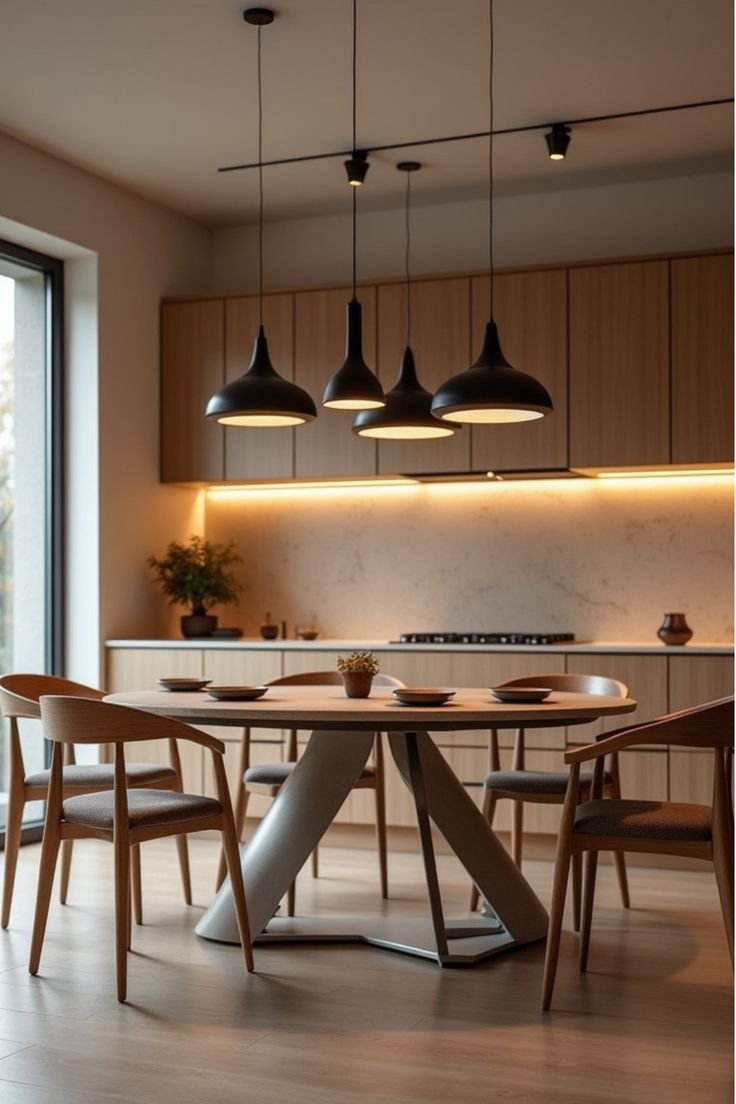
Mastering the art of selecting modern lighting is the secret to successful decor. Learn with us how to transform your spaces using the right lighting that combines beauty and function.
The Art of Selecting Modern Lighting: The Complete Guide to a Masterpiece That Illuminates Your Life
In the world of interior design, furniture and colors are often seen as the main protagonists, while lighting plays a secondary role. But the truth, recognized by top designers and experts, is that lighting is not just a detail; it is the soul that breathes life into every element of the decor. The art of selecting modern lighting is the skill that distinguishes a beautiful space from a truly magical and unforgettable one. It is both a science and an art, balancing visual aesthetics with functional needs, and transforming your home from mere walls and furniture into an integrated work of art that interacts with your emotions and meets your needs.
Modern lighting transcends the concept of a traditional lamp; it is a sophisticated design language that uses light and shadow to draw features, create depth, guide the eye, and define atmospheres. Choosing the wrong lighting fixture can destroy the beauty of the most expensive piece of furniture, while the right choice can elevate the value of the simplest of spaces. This comprehensive guide will take you on a deep journey to explore every aspect of the art of lighting selection, from understanding the fundamental principles to applying them professionally in every corner of your home, so you can become an artist who masters the language of light.

1. The Fundamental Principles of the Art of Lighting: Beyond Brightness
Before diving into the types and shapes of lamps, we must ground our understanding in the principles that govern the world of modern lighting. These principles are the compass that guides every decision we make.
- Lighting as a Functional Element: Every light in your home must serve a purpose. Is it to illuminate the room in general? To provide focused light for reading? Or to highlight the beauty of a piece of art? Defining the function first is the cornerstone of making the right choice.
- Lighting as an Aesthetic Element: A lighting fixture is a decorative piece in itself, even when it’s turned off. Its design, shape, and materials must harmonize with the overall style of the room, whether it’s minimalist, industrial, or bohemian.
- Lighting as a Mood Creator: Light is the most powerful tool for controlling the mood of a space. Warm, dim lighting invites relaxation and comfort, while bright, white light stimulates activity and focus. The ability to control the intensity and color of light gives you immense power to change your home’s atmosphere at the touch of a button.
2. Decoding Lighting: The Technical Terms You Need to Know
Technical terms can seem intimidating, but understanding them is essential for making informed decisions. Here are the three most important concepts, simplified:
- Lumen – The Measure of Brightness: Simply put, lumens tell you how bright a bulb is. The higher the number, the brighter the light. Instead of thinking in Watts (which measures energy consumption), focus on lumens to know how much light you’ll get.
- Kelvin (K) – The Color Temperature: This is the secret to atmosphere. Kelvin determines whether the light’s color is warm (yellowish) or cool (bluish).
- 2000K-3000K (Warm White): Resembles candlelight or traditional incandescent bulbs. Ideal for bedrooms, living rooms, and restaurants to create an intimate, cozy atmosphere.
- 3100K-4500K (Neutral/Cool White): A crisp, vibrant white light. It’s the best choice for kitchens, bathrooms, offices, and spaces requiring focus and clear color perception.
- 4600K-6500K (Daylight): A very bright, bluish-white light. Typically used in commercial, industrial, and medical settings, or in workshops needing high color accuracy.
- Color Rendering Index (CRI): Have you ever noticed that the color of your clothes looks different inside a store than outside in the sunlight? That’s because of the CRI. This index (from 0 to 100) measures a light source’s ability to reveal the true colors of objects. Sunlight has a CRI of 100. At home, accept nothing less than CRI 90+ to ensure that the colors of your decor, food, and even your skin tone look natural and vibrant. Reputable brands like taglighting-eg pay great attention to providing products with a high CRI, recognizing its importance in daily quality of life.

3. The Three-Layer Strategy: The Secret of Professional Designers
The biggest mistake amateurs make is relying on a single light source in the ceiling. The art of selecting modern lighting fundamentally relies on building “layers” of illumination to create balance, depth, and visual interest.
Layer One: Ambient Lighting
This is the foundation, the general illumination that fills the room and allows you to navigate safely. It should be soft and diffused.
- Your Options: Recessed lights, chandeliers, pendants, cove lighting in ceilings, or even wall sconces that direct their light upwards.
Layer Two: Task Lighting
Focused, directed light to help you perform specific tasks.
- Your Options: Under-cabinet lighting in the kitchen, a desk lamp for reading, vertical lighting on the sides of a bathroom mirror, or a low-hanging pendant over a dining table. This light should be brighter than the ambient lighting and free from annoying glare.
Layer Three: Accent Lighting
This is the artist’s touch. It’s used to highlight what you want to showcase: a painting, a textured wall, a beautiful plant, or a decorative object. Its purpose is to create drama and focus.
- Your Options: Track lighting is the hero in this category due to its supreme flexibility, as you can aim each spotlight independently. Advanced track lighting systems from taglighting-eg give you unparalleled freedom to shape changing light scenes. Directed wall sconces and adjustable spotlights are also excellent options.

4. Applying the Art of Lighting: A Room-by-Room Guide
Let’s get practical. Here’s how to apply the layering strategy in each room:
-
The Living Room (Your Home’s Stage):
- Ambient: Start with cove lighting around the ceiling for a luxurious glow. Add a modern chandelier as a focal point over the seating area (ensure its size is appropriate for the room’s scale).
- Task: A stylish floor lamp next to the sofa for reading, or small table lamps on side tables.
- Accent: Use track lighting to highlight a bookshelf or sculptures. Place an uplight behind a large plant to create dramatic shadows on the ceiling.
- Pro Tip: A dimmer is not a luxury; it’s an absolute necessity in the living room to control the atmosphere.
-
The Kitchen (Your Creative Lab):
- Ambient: A grid of recessed spotlights in the ceiling for bright, clean general lighting.
- Task (The Most Important Here): LED strip lighting under all upper cabinets is the single best investment you can make in your kitchen. It illuminates countertops fully and eliminates shadows. The experts at taglighting-eg can help you choose the perfect profiles and strips for your kitchen.
- Accent/Aesthetic: Two or three pendants over the kitchen island not only provide task lighting but also add strong character to the design.
-
The Bedroom (Your Private Sanctuary):
- Ambient: Completely avoid placing spotlights directly over the bed. Rely on indirect light sources like cove lighting or a soft chandelier with a dimmer.
- Task: Elegant wall sconces on either side of the bed with separate controls, or small pendants hanging over the nightstands.
- Accent: Sensor-activated interior lighting in the wardrobe is a practical and luxurious touch.
-
The Bathroom (Your Personal Spa):
- Ambient: Moisture-resistant spotlights (with a high IP rating).
- Task: Don’t just place light above the mirror. The secret to perfect, shadow-free facial lighting is vertical sconces on both sides of the mirror.
- Accent: A waterproof LED strip hidden behind the mirror (a backlit mirror) or under the floating vanity lends a sense of spaciousness and luxury.
5. Common Lighting Mistakes to Avoid
Mastering the art of selecting modern lighting also means knowing what to avoid:
- The Glare Mistake: Choosing exposed bulbs or aiming them incorrectly causes annoying glare. Use diffusers or select deep-recessed fixtures.
- The Shadow Mistake: Placing a single light source behind you while performing a task (like cooking) will create frustrating shadows. This underscores the importance of task lighting.
- The No-Dimmer Mistake: Not installing dimmer switches robs you of the ability to adapt your space to different activities and moods.
- The Overkill Mistake: Too many different light sources in one room can create visual chaos. Stick to the layering strategy and maintain harmony.
- The Wrong-Scale Mistake: A chandelier that’s too small for a large living room or a massive pendant in a tiny kitchen breaks the visual balance. There are proportional rules that the lighting experts at taglighting-eg can guide you on.

6. A Glimpse of the Future: Smart Lighting and Upcoming Trends
The art of lighting never stops evolving. Current and future trends focus on making lighting more integrated with our lives.
- Smart Lighting: The ability to control every aspect of your lighting via your phone or voice. You can create specific “scenes” (like “Romantic Dinner” or “Work Time”) that change the entire room’s lighting with a single touch.
- Human-Centric Lighting: A revolutionary technology that automatically adjusts the color temperature and brightness of light throughout the day to mimic the natural rhythm of the sun, thereby enhancing our health, productivity, and sleep.
- Minimalism and Architectural Integration: The trend is towards fixtures that merge with the architecture itself, such as linear profiles integrated into walls or ceilings, and trimless spotlights that look like part of the surface. taglighting-eg offers a wide range of these innovative solutions that meet the ambitions of modern designers.
- Sustainability: LED technology is no longer just an option; it is the standard for energy efficiency and long lifespan.
Conclusion: Lighting is the Designer’s Final Brushstroke
Ultimately, the art of selecting modern lighting is a dialogue between light and space. It’s the ability to see beyond a simple lamp and understand how a beam of light can completely change the feeling of a place. It requires a mix of technical knowledge, artistic vision, and careful planning.
Don’t be afraid to experiment. Start by thinking about your spaces from the perspective of the three layers. Think function first, then add your aesthetic touch. And when you feel overwhelmed, remember that consulting an expert can make all the difference. Consulting with a specialized team like the one at taglighting-eg not only provides you with high-quality products but also gives you a partner in vision, one who helps you translate your ideas into a luminous and stunning reality, ensuring that every choice you make contributes to creating the harmonious masterpiece that is your home.
Keyword List:
#ArtOfSelectingModernLighting #ModernLighting #ModernLightingDesign #taglighting_eg #HowToChooseLighting #LightingDecor #ModernIllumination #LEDLighting #LayersOfLighting #AmbientLighting #TaskLighting #AccentLighting #TrackLight #Spotlight #KelvinAndLumen #CRI #SmartLighting #LightingMistakes #LightingTips