



The “Swiss Cheese” Ceiling and How to Avoid It: A Pro’s Guide to Spotlight Layouts

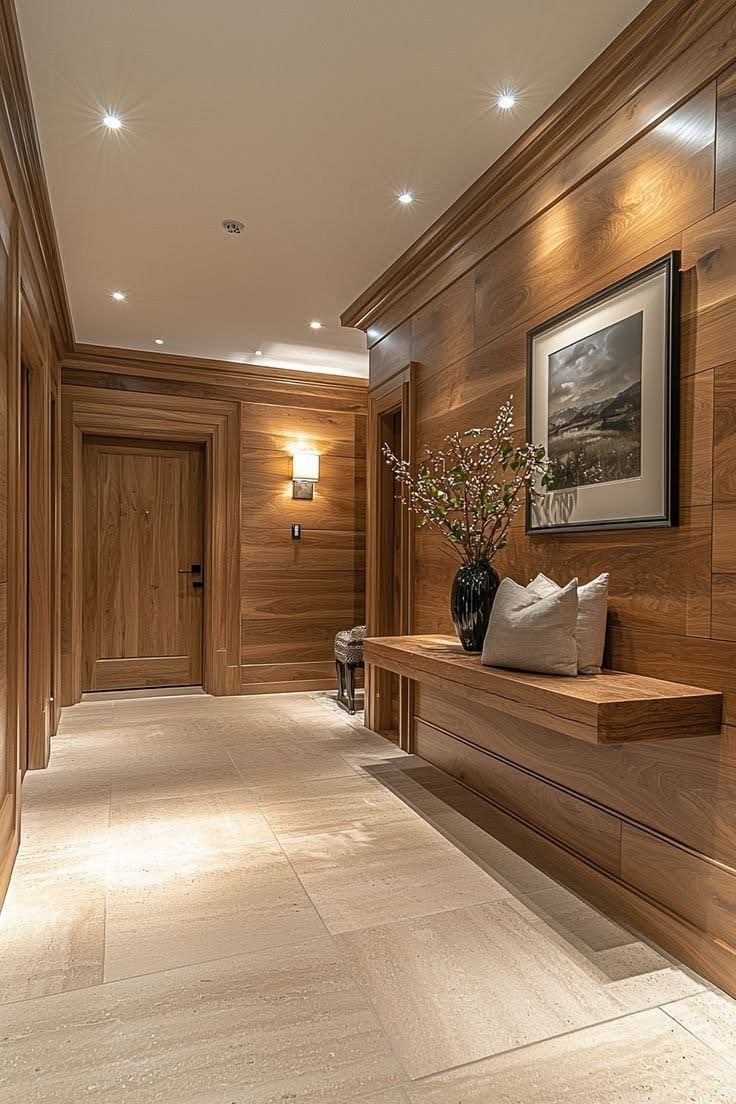
Discover a world of spotlight lighting ideas that turn your ceiling into an artistic canvas. Learn the secrets of spotlight distribution, choosing the right types, and professional accent lighting techniques.
Ideas About Spotlight Lighting: The Comprehensive Guide to the Art of Using the Most Versatile Tool in the World of Illumination
When you enter any carefully designed space—be it a modern villa in New Cairo, an elegant art gallery, or a luxury hotel—look up. What do you see, or rather, what do you almost not see? You will often find a series of subtle, precise points of light integrated into the ceiling, working silently to sculpt the space, highlight beauty, and create the perfect atmosphere. This is the power and magic of spotlight lighting, the most used, most versatile, and often, most misunderstood fixture in the world of interior design.
A spotlight is much more than just a “bulb in the ceiling.” It is a precise and complex lighting system, and when used correctly, it can perform all three lighting functions: ambient, task, and accent. But if used incorrectly, it can turn a ceiling into a cluttered “Swiss cheese,” create annoying glare, or result in flat, boring illumination. Mastering the art of using the spotlight is what separates the professional designer from the amateur.
In this comprehensive and detailed 3500+ word guide for 2025, we will delve into the depths of the spotlight world. We will dissect its components, explore its different types from recessed to “trimless,” and learn the technical secrets like beam angles that change everything. We will provide countless practical ideas for applying it in every room and reveal common mistakes to avoid. We will see how choosing quality and technology from specialized and trusted suppliers in Egypt, like Taglighting-eg, is the essential step to achieving professional and stunning results.

Part One: The Anatomy of a Spotlight – Beyond the Point of Light
To understand how to use this tool, we must first know its components and different types.
Chapter 1.1: Main Installation Types
- Recessed Spotlight: The most common type, where the entire body of the spotlight is installed inside the gypsum ceiling, with only the trim and bulb visible. It provides a clean, integrated look.
- Surface-Mounted Spotlight: The entire body of the spotlight is fixed onto the surface of the ceiling. It is the ideal solution for concrete ceilings that cannot be drilled into, and also a design choice in industrial and modern styles.
- Track-Mounted Spotlight: The spotlight is mounted on a track lighting system, providing maximum flexibility in moving and directing it.
Chapter 1.2: The Trim – The Face of the Spotlight
The trim is the visible part of a recessed spotlight, and its shape largely determines its visual and functional effect.
- Baffle Trim: Contains concentric grooves that help absorb excess light and reduce glare, an excellent choice for general lighting.
- Reflector Trim: Has a polished, mirror-like inner surface to reflect the maximum amount of light, increasing brightness.
- Gimbal/Eyeball Trim: Allows you to direct the bulb in various directions, ideal for accent lighting.
- Pinhole Trim: Has a very small opening, producing a very narrow and dramatic beam of light.
- Trimless: The pinnacle of minimalist design. It is installed and plastered over so the frame disappears completely, and the light appears to emanate from a pure opening in the ceiling. To achieve this high-end architectural look, it is essential to use high-precision products designed for this purpose, which are often available from professional suppliers like Taglighting-eg.
Chapter 1.3: The Light Engine
- Integrated LED: The light source and driver are an integral part of the spotlight. It features a very long lifespan and a compact design.
- Replaceable Bulbs (GU10, MR16): Spotlights that use replaceable bulbs. They offer more flexibility in changing the bulb when it fails or to change the beam angle or color temperature.
Part Two: The Art of Application – How Spotlights Perform the Three Lighting Roles
The spotlight is the multi-talented actor on the lighting stage.
Chapter 2.1: Sptlights as Ambient Lighting
Although it is a directional light, it can be cleverly used to create general illumination.
- Wall Washing Technique: The best way to use spotlights for ambient lighting. Instead of aiming them down, a row of spotlights is distributed at a distance from the wall (about 80-100 cm) and aimed towards it using a wide beam. The light reflected from the wall fills the room with a soft, comfortable glow and makes it feel larger.

Chapter 2.2: Spotlights as Task Lighting
- In the Kitchen: A row of spotlights can be distributed over the edge of countertops to provide focused task lighting, provided their placement is correct to avoid shadows.
- In the Bathroom: A waterproof (IP65) spotlight can be used inside the shower for safety and visibility.
- Over a Desk or Work Area: A directed spotlight can serve as good task lighting if placed correctly.
Chapter 2.3: Spotlights as Accent Lighting – Its True Calling
This is the area where the spotlight truly shines.
- Highlighting Art and Decor: Using an adjustable (gimbal) spotlight is the perfect way to illuminate a painting, sculpture, or any element you want to make a focal point.
- Creating Pools of Light: You can aim a spotlight towards a coffee table or a distinctive rug to create a sense of depth and define a seating area.
- The “Scalloping” Effect: When spotlights are distributed close to a wall and aimed downwards, they create beautiful, arched light patterns on the wall. This can be an intentional design effect. Precision in control is the key to successful accent lighting. Professional spotlights from Taglighting-eg come with multiple beam angle options and high-quality optics that give the designer the ability to shape light with utmost precision.
Part Three: The Comprehensive Technical Guide – Specs That Make a Difference
- Beam Angle: The Most Important Decision of All This is the factor that determines how the light spreads, and it’s what separates correct from incorrect spotlight usage.
- Narrow Beam (10-24 degrees): A very focused beam like a searchlight. Ideal for highlighting small details from a distance or for creating dramatic effects.
- Medium Beam (25-40 degrees): The most common and versatile angle. Excellent for lighting artworks, general spaces, and providing focused light without being too sharp.
- Wide Beam (60 degrees or more): A diffused beam. Ideal for general ambient lighting and the wall washing technique.
- Color Temperature (Kelvin):
- For Homes (Living rooms, Bedrooms): Choose 3000K (Warm White) to create a comfortable atmosphere.
- For Kitchens, Bathrooms, Offices: Choose 4000K (Neutral White) for more clarity and vitality.
- Color Rendering Index (CRI): To ensure the colors of your furniture, paintings, and even your food look real and vibrant, accept nothing less than CRI 90.
- Lumens and Spacing: To calculate the number of spotlights, you can use a simple formula: (Room Area in sqm × Required Lux) / Lumens per Spotlight = Number of Spotlights. (Required Lux varies by room: 150 for living rooms, 300 for kitchens). Getting accurate Lumen and beam angle data from a reliable supplier like Taglighting-eg is essential for this planning.
Part Four: A Rom-by-Room Spotlight Idea Guide
- Living Room: Use spotlights for wall washing as an ambient layer. Then use adjustable spotlights as an accent layer to highlight a painting or a library.
- Kitchen: Use a grid of wide-beam spotlights for ambient lighting, with some focused over walkways.
- Bedroom: Use them with caution. The best idea is to use them to wash the curtain wall or a wardrobe wall with light. Completely avoid placing them directly over the bed as they will be very disturbing.
- Bathroom: Use waterproof (IP65) spotlights for ambient light and in the shower area. Do not use them as the primary light for the mirror.
- Hallways and Stairs: A great idea is to distribute spotlights close to the wall and aimed at the floor. This safely illuminates the path and creates a beautiful visual rhythm. In modern Egyptian homes, where false ceilings are common, spotlights offer a perfect solution for a clean, integrated look. Using trimless spotlights from Taglighting-eg can elevate the design to a superior architectural level.
Part Five: Installation Guide and Common Mistakes
Mistakes to Avoid:
- The “Swiss Cheese” Ceiling: Using too many spotlights randomly. The rule is: less is more. Quality and distribution are more important than quantity.
- The “Airport Runway”: Distributing spotlights in straight lines down the middle of the room. This leaves the walls dark and makes the space feel smaller.
- Ignoring Glare: Choosing low-quality spotlights where the bulb protrudes, causing annoying glare. High-quality spotlights, like those produced by Taglighting-eg, often feature a deep-recessed LED and baffle trims designed specifically to minimize glare and improve visual comfort.
- The Wrong Beam Angle: Using a narrow beam for general lighting makes the floor look splotchy, and using a wide beam to highlight a painting wastes the effect.

Planning Tips:
- Draw a Reflected Ceiling Plan (RCP): Before drilling, draw a plan of the ceiling and mark the exact locations of the spotlights in relation to the furniture.
- Think Walls, Not Floors: The primary goal of ambient lighting is to illuminate vertical surfaces.
- Consult a Professional Electrician: Electrical installation must always be done by a specialist to ensure safety.
Part Six: The Future of Spotlighting – Smaller, Smarter, and More Integrated
- “Chip on Board” (COB) Technology: Allows for the creation of smaller, more powerful LED modules, leading to miniature and elegant spotlights.
- Smart Spotlights: Spotlights whose intensity and color temperature can be controlled individually via a phone app, allowing for the creation of dynamic lighting scenes.
- Complete Architectural Integration: The trend of trimless and spotlights that blend completely with the ceiling and wall materials will continue. Keeping up with these trends requires a supplier focused on innovation. Taglighting-eg continuously invests in bringing the latest technologies and solutions to the Egyptian market, providing designers with the tools of the future, today.
Conclusion: A Spotlight is Not Just a Lamp, It’s an Artist’s Brush
At the end of this in-depth journey, it becomes clear that the spotlight is an incredibly powerful and multifaceted design tool. It is capable of being quiet and invisible, or dramatic and focused. It can bathe a room in soft light or sculpt fine details with sharp concentration. Mastering ideas about spotlight lighting is mastering the language of light itself.
The key is thoughtful planning, understanding simple technical principles, and most importantly, choosing quality. Investing in high-quality spotlights from a trusted supplier like Taglighting-eg is not an investment in a lamp; it is an investment in visual comfort, architectural beauty, and reliable performance that will last for years, ensuring that the sky of your home will always be bright in exactly the right way.
Keyword List:
#SpotlightLightingIdeas #SpotlightLighting #SpotlightDistribution #Taglighting-eg #TypesOfSpotlights #LEDSpotlight #RecessedSpotlight #TrimlessSpotlight #AdjustableSpotlight #CeilingLighting #LightingDesign #AccentLighting #BeamAngle #InstallingSpotlights #ModernDecor2025 #WallWashing #LumenAndKelvin