



The Art of Flexibility: A Complete Guide to Mastering Track Lighting Systems

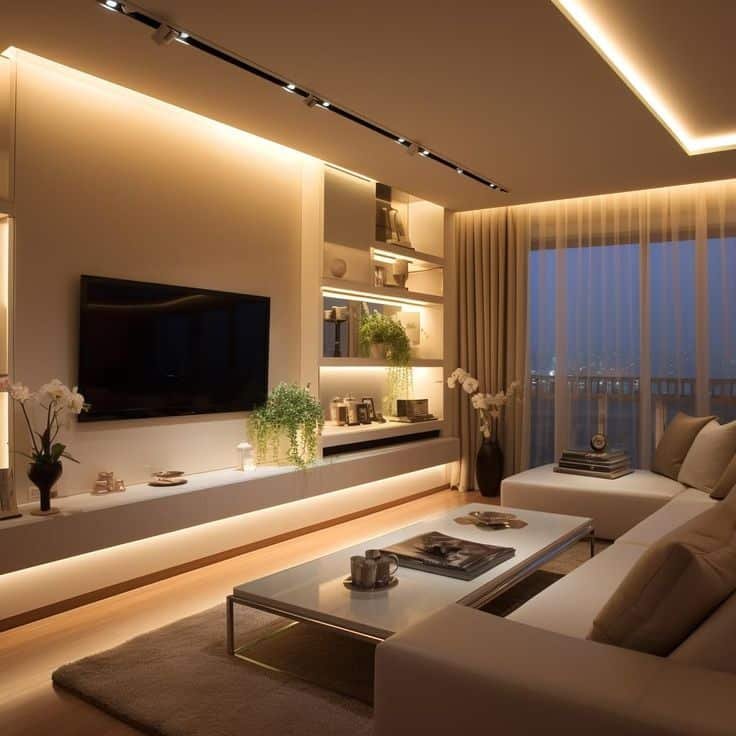
Discover the art of track lighting, the perfect solution for modern spaces. Learn everything about track lighting systems, from selecting heads to professional distribution techniques to enhance the beauty of your home or store.
The Art of Track Lighting: Your Comprehensive Guide to Achieving Flexibility and Elegance in Modern Design
In the world of modern interior design, where clean lines and elegant functionality prevail, one lighting system stands out as the champion of flexibility and creative control: the track lighting system. For many years, this system was associated in people’s minds with art galleries, retail stores, and industrial spaces. But today, thanks to immense advancements in design and technology, track lighting has forcefully entered the world of residential design to become a favorite tool for top designers to create dynamic and contemporary spaces. The art of track lighting lies not just in installing a track on the ceiling, but in understanding its limitless potential to sculpt space, highlight beauty, and meet changing needs.
A track lighting system may seem simple, but it is, in fact, a complex system full of details that can either elevate your design to a professional level or, if used incorrectly, make it look cluttered and incomplete. Why do designers prefer it for high-end projects in New Cairo and Sheikh Zayed? What are the different types of tracks and heads? And how can you use it like a pro in your living room or kitchen?
This comprehensive and detailed 3500+ word guide for 2025 is a complete course in everything related to track lighting. We will dissect the system into its basic components, explore its multiple applications as accent, task, and even ambient lighting. We will delve into the fine technical details that ensure optimal performance, provide practical ideas for its application in every room, and look towards its future with magnetic and smart systems. We will see how choosing a high-quality, reliable system from a specialized supplier in Egypt like Taglighting-eg is the first and most essential step to ensuring the success of your project.

Part One: Anatomy of a Track Lighting System – Understanding the Core Components
To understand the art, you must first understand the tool. A track lighting system consists of several key parts that work together in harmony.
Chapter 1.1: The Track – The System’s Backbone
The track is the metal rail that is mounted on the ceiling (or wall in some cases) and contains electrical conductors to power the heads.
- Electrical Track Types: There are several standards for electrical connection, the most globally recognized being H, J, and L systems. It is very important to ensure that the heads you buy are compatible with your track type.
- Circuit Track Types:
- Single-Circuit Track: The most common type. All heads on the track operate together on a single electrical circuit (they turn on, off, and dim together).
- Multi-Circuit Track: Allows you to control different groups of heads on the same track independently, providing greater flexibility.
- Mounting Methods:
- Surface Mounted: The most common method, where the track is installed directly onto the ceiling surface.
- Suspended: The track is hung from the ceiling using cables or metal rods. This solution is ideal for very high or sloped ceilings.
- Recessed: The track is installed inside a cavity in the gypsum ceiling so its surface is flush with the ceiling, providing a cleaner, more minimalist look.
Chapter 1.2: The Heads – The Artist’s Tools
The heads are the lighting fixtures that are attached to the track. They come in countless shapes and types to meet every need.
- Spotlight Heads: The most common. They come in various designs (cylindrical, cubic) and are often fully adjustable (Gimbal). They are used for focused spotlighting.
- Floodlight Heads: Similar to spotlights but with a wider beam angle, used for washing walls with light or illuminating a larger area.
- Pendant Heads: Pendant lighting fixtures can be mounted on the track using a special adapter. This is a great idea for providing task lighting over a kitchen island or a workbench.
- Wall Washer Heads: Specifically designed to distribute light very evenly across a wall surface.
The beauty and power of a professional track lighting system, like those offered by Taglighting-eg, lie in the availability of a wide range of compatible heads that allow you to mix and match different types of lighting on the same system.

Chapter 1.3: Connectors & Power Feeds
- Power Feed: The point where the track is connected to the electricity. It can be at the end of the track (End Feed) or at any point along it (Floating Canopy).
- Connectors: These are the pieces that allow you to design custom shapes for the track (L-shape, T-shape, or X-shape) or to connect two tracks together.
Part Two: The Art of Application – How to Use Track Lighting Like a Pro
Flexibility is the hallmark of track lighting, and therein lies its power.
Chapter 2.1: Track Lighting as Accent Lighting
This is its primary and most famous use.
- To Light Artwork: The golden rule is to aim the head towards the center of the painting at a 30-degree angle from the ceiling. This angle provides excellent illumination for the piece while minimizing glare and reflections on the glass.
- To Highlight Architectural Features: You can aim a head at a fireplace, a stone wall, or a built-in bookshelf to make it the focal point of the room.
- To Create Drama: Aim a head at a floor-to-ceiling curtain to highlight its texture and create visual depth.
Chapter 2.2: Track Lighting as Task Lighting
This is the smart and practical use.
- In the Kitchen: A track light system over a kitchen island provides powerful and flexible task lighting, which you can aim precisely at the cutting or cooking area.
- In the Home Office: A single track over a long desk can illuminate the entire workspace, with the ability to add or remove heads as needed.
Chapter 2.3: Track Lighting as Ambient Lighting
This is the most advanced use.
- By Wall Washing: Use heads with a wide beam angle (Flood) and aim them all at a large, light-colored wall. The light reflected from the wall will fill the room with a soft, comfortable ambient glow.
- By Indirect Lighting: In rooms with high ceilings, you can aim all the heads towards the ceiling. The reflected light will create general, glare-free illumination.
The ability to perform all three lighting functions—ambient, task, and accent—from a single system is what makes track lighting a comprehensive solution. The wide range of heads with different beam angles provided by Taglighting-eg enables designers to implement a complete layered lighting scheme using only track lighting.
Part Three: A Room-by-Room Idea Guide
- Living Room: Use track lighting to create a “gallery wall.” Install a long track on the main wall and aim the heads at a collection of paintings and photographs.
- Kitchen: A square or rectangular track light system in the ceiling can be the only solution you need. Aim some heads at the cabinets, some at the countertops, and some at the pathways.
- Bedroom: It can be used innovatively along a wardrobe wall to provide bright, directed light when choosing your clothes.
- Hallways and Entrances: Instead of a single dull lamp, use a short track to wash one of the walls with light, making the hallway seem wider and more inviting.
- Commercial Spaces (Boutiques, Cafes, Galleries): Track lighting is the perfect solution here because it allows for easy changes in lighting as the product display design changes. In commercial projects, the durability and quality of the system are vital, and this is where professional systems from Taglighting-eg, designed to withstand long operating hours, truly shine.

Part Four: The Technical Details That Make a Difference
- LED Technology is the Only Choice: All modern track lighting systems use LED technology for its high efficiency, long lifespan, and low heat that does not damage artworks.
- Beam Angles: This is the secret to control.
- Narrow Beam (10-24 degrees): Use it to highlight small details from a distance.
- Medium Beam (25-40 degrees): Ideal for most applications of lighting artworks and mannequins.
- Wide Beam (60+ degrees): For wall washing or general lighting.
- Color Quality (Kelvin & CRI):
- For Homes: Choose a warm color temperature (3000K) to create a comfortable atmosphere.
- For Stores and Galleries: You might prefer a neutral color (4000K) for better clarity.
- CRI (Color Rendering Index): Must be 90 or higher if you are lighting artworks or color-dependent products (like clothing or cosmetics).
- Control and Dimming: Ensure the heads and the power driver are compatible with dimming systems for full control over the atmosphere. Getting accurate technical data on all these specifications is what distinguishes a professional supplier like Taglighting-eg from others.
Part Five: A Practical Installation and Planning Guide
- Design the Layout: Sketch a plan of the ceiling and determine the shape of the track you want (straight line, L-shape, square, etc.).
- Determine the Components: Based on your plan, calculate the lengths of the tracks you need, the number of connectors, and the type of power feed.
- Choose the Heads: Determine the number of heads you need and choose the type, shape, and beam angle appropriate for each task.
- Electrical Installation: Always hire a professional electrician to connect the power feed safely and correctly.
- Mechanical Installation: After turning off the power, you can install the track and connectors on the ceiling.
- Installing and Aiming the Heads: This is the final artistic step. Install the heads on the track and then begin aiming them at your targets, being careful to avoid direct glare in the eyes of seated individuals.
Part Six: The Future of Track Lighting – Magnetic and Smart Systems
- Miniature Systems: A trend towards smaller, more elegant tracks and heads that blend more seamlessly into the decor.
- Magnetic Track Systems: The latest revolution in this field. The heads are mounted on the track using magnetic force, allowing them to be installed, removed, and repositioned with extreme ease and complete safety, even while the system is on.
- Smart Control: Systems that allow you to control each head individually via a phone app or a home automation system, enabling you to change lighting scenes with the touch of a button.
Adopting these advanced technologies shows a commitment to innovation by the designer or homeowner. Leading companies like Taglighting-eg are working to bring these cutting-edge solutions, such as magnetic systems, to the Egyptian market to meet the growing demand for luxurious and smart designs.
Conclusion: Track Lighting is Not Just Illumination, It’s a Creative Tool
At the end of this detailed journey, it is clear that the art of track lighting is a world of limitless possibilities. It is the system that frees you from the constraints of fixed lighting and gives you the ability to be the artistic director of your own space, changing the lighting and focus as you wish, and adapting to every change in your life and decor. It embodies the modern design philosophy that sanctifies function, celebrates engineering, and gives the user complete control.
When you think about your next project, don’t look at track lighting as just a solution for stores. Look at it as a sophisticated design tool that can add a touch of professionalism and dynamism to any contemporary space. And with a trusted partner providing you with high-quality systems and diverse components like TagLighting-eg, you ensure that this creative tool will work efficiently and beautifully for many years, illuminating your stories and special moments.
Keyword List:
#ArtOfTrackLighting #TrackLightingSystems #TrackLighting #Taglighting-eg #TrackHeads #LinearLighting #ModernLightingDesign #AccentLighting #ArtGalleryLighting #RetailLighting #ModernKitchenLighting #InstallingTrackLighting #ModernDecor2025 #LEDLighting #BeamAngle